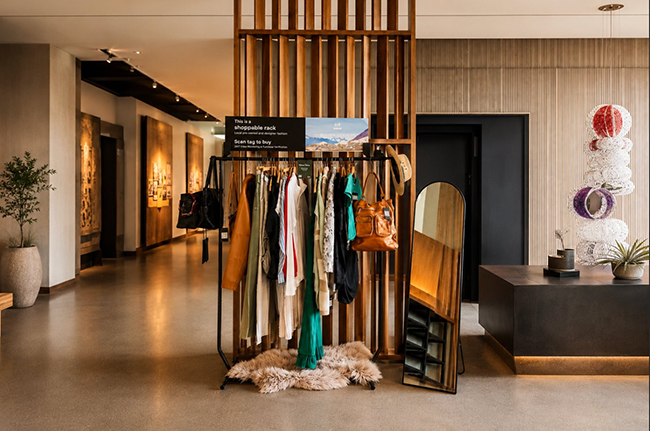
Rethinking What’s Underfoot
02 Oct 2026
A family business built around sustainable materials helps homeowners make flooring choices for healthier homes
Oct/Nov 2026
Written By: Emily O’Brien
When homeowners think about creating a healthier, more sustainable home, flooring might not always be the first thing they consider. Yet beneath every room is a surface that influences how a home feels, functions, and supports the people who live there.
For Go Green Flooring, sustainability has always been part of the conversation. Founded in Boulder more than four decades ago as The Carpet Line, the company, owned by Jerry and Brenda Steele, grew from a small flooring operation into a resource for homeowners seeking materials that balance design, durability, and environmental responsibility.
From Wool Carpets to Healthier Alternatives
That expertise continues to guide the company today. After Jerry’s sons, Jarrus and Shane Steele, began transitioning into leadership roles, they expanded the business’s focus beyond traditional carpet and renamed it Go Green Flooring in 2007, reflecting a growing interest in environmentally responsible materials and healthier homes.
“We really started focusing on the eco-friendly side of flooring and looking at how the products we offer can contribute to a healthier home,” says co-owner Jarrus Steele.
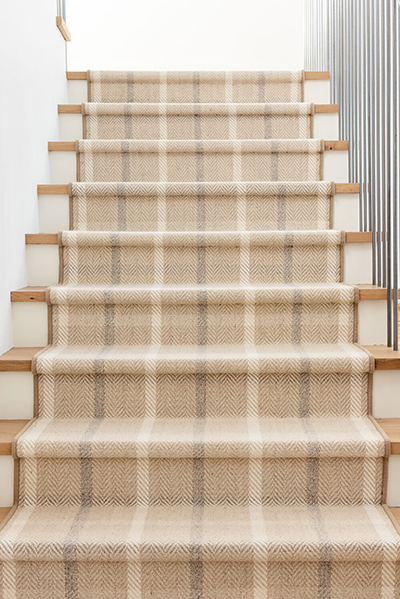
Today, that approach includes materials such as wool carpet, cork, engineered hardwood, and other flooring options selected for their durability, environmental benefits, and potential impact on indoor air quality. A longtime favorite, wool is valued for its natural resilience and ability to manage moisture.
What’s Beneath Your Feet Matters
Flooring manufacturers are placing greater emphasis on transparency, testing, and product certifications than before. Jarrus points to third-party programs such as FloorScore, the Carpet and Rug Institute’s Green Label Plus, and Greenguard as reliable resources that help homeowners understand the materials they bring into their homes. These certifications give consumers another way to compare products and make informed decisions.
“We can offer natural materials like cork, bamboo, Marmoleum, wool, and recycled tile, but we can also offer synthetic flooring products and feel confident that they have a strong sustainability story or meet standards that make them healthier choices for our customers and their families,” Jarrus says.
As homeowners invest in renovations and custom interiors, flooring choices are increasingly becoming part of a larger conversation about wellness, sustainability, and creating homes that support the way people live. Jarrus says engineered hardwood and wool carpet remain especially popular among Boulder homeowners, while cork and Marmoleum continue to appeal to those looking for more economical, sustainable alternatives.
Smart Choices Start Before Installation Day
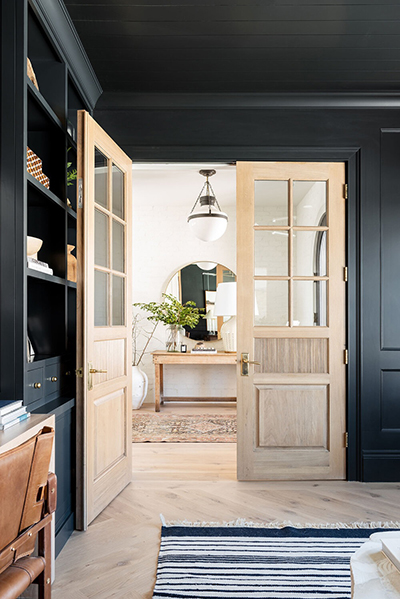
However, creating a healthier home involves more than choosing the right material. Installation practices also play an important role. Go Green Flooring takes additional steps during installation, including the use of HEPA filtration and dust containment systems to reduce airborne particles.
The company also uses VOC-free adhesives and carefully considers materials that go underneath the finished flooring. For carpet installations, that includes using soy-based memory foam padding instead of traditional options that rely heavily on adhesives and harmful chemicals.
The company’s environmental efforts extend beyond installation. When old flooring is removed during a renovation, Go Green Flooring collects an environmental donation fee and contributes those funds to environmental causes, including forest stewardship and renewable energy initiatives.
Designing for Colorado’s Climate
For homeowners planning a renovation, Jarrus expects flooring to continue moving toward materials that are more durable, stable, and responsive to changing needs. In Colorado’s dry climate and seasonal temperature shifts, that means selecting products that can handle fluctuations over time.
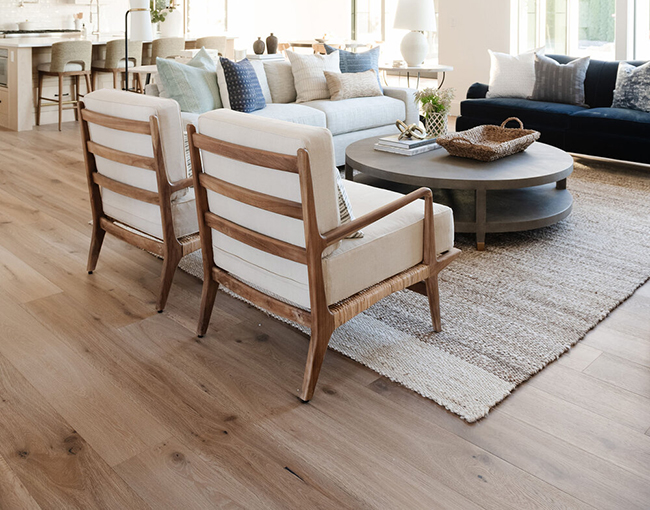
Engineered hardwood, for example, has become a popular choice because of its stability compared with traditional solid wood flooring.
For those beginning a flooring project, Jarrus recommends looking beyond appearance alone. Material sourcing, certifications, installation methods, durability, and maintenance all play a role in determining a floor’s long-term impact.
Go Green Flooring also relies on its in-house installation teams, which Jarrus says allows the company to maintain its standards for installation methods and craftsmanship while giving customers a more consistent process from the showroom through the completed project.
“For us, it’s not just about selling a better product. We want to make sure it’s installed the right way, too,” Jarrus says. “Having our own teams allows us to stand behind the entire experience and make sure our customers are getting the quality we expect from Go Green Flooring.”
Visit Go Green Flooring at 5485 Western Ave. in Boulder and at gogreenflooring.com.