Sun, Sea & the Algarve
04 Aug 2026
Portugal’s coastal maritime heritage makes this destination a scenic playground
Aug/Sept 2026
Written By: Pamela Jouan | Images: Pamela Jouan
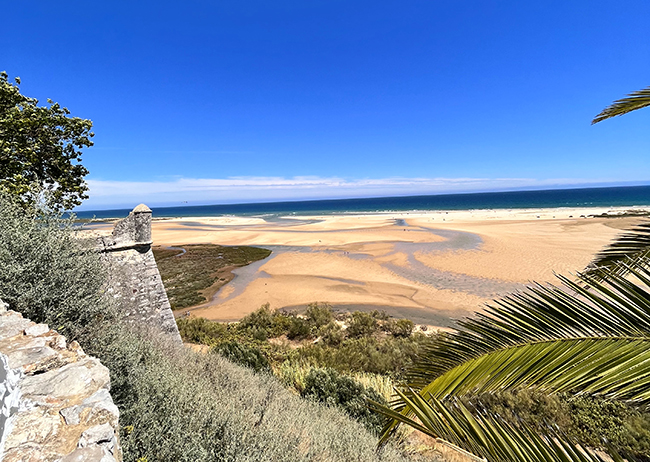
Stretching across Portugal’s southern coast, the Algarve has become one of Europe’s most beloved seaside destinations. Derived from the Arabic phrase Al-Gharb, meaning “The West,” the region reflects centuries of cultural influences that shape its architecture, traditions, and cuisine. Today, travelers often refer to the Algarve as the “California of Europe,” due to miles upon miles of coastline, dramatic limestone cliffs, and plenty of sunshine.
While the Algarve’s golden beaches steal the spotlight, the region offers far more than a picturesque stretch of sand. Charming fishing villages, historic towns, world-class hiking trails, and a culinary scene rooted in Portugal’s maritime heritage make this destination one worth savoring.
Why Visit the Algarve?
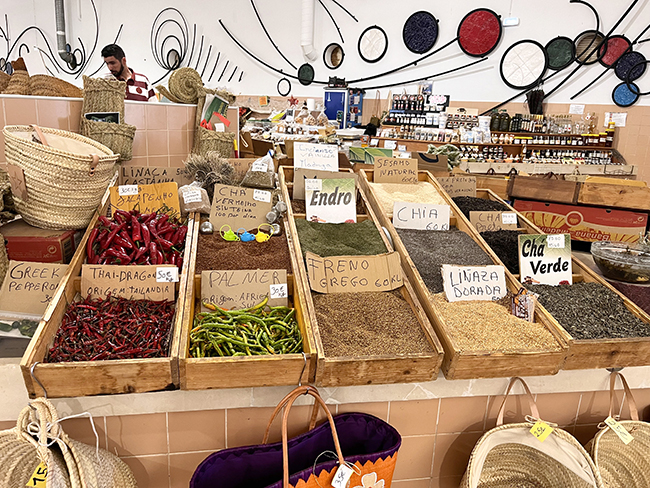
Unlike some European beach destinations that feel crowded and overdeveloped, the Algarve maintains authenticity. Whitewashed villages perch atop cliffs overlooking the Atlantic. Fishermen still reel in the daily catch. Local markets brim with citrus fruits, olives, almonds, spices, and just-caught seafood.
The pace here is refreshingly relaxed. Spend the mornings exploring hidden coves and coastal trails, and the afternoons lingering over long seafood lunches and pitchers of Arinto, while evenings culminate in spectacular sunsets that paint the cliffs in gold and pink.
Whether you’re seeking adventure, culinary discovery, or simply a beautiful place to unwind, the Algarve delivers.
Three Must-Visit Towns & Beaches
Lagos & Praia Dona Ana
Frequently ranked among Europe’s most beautiful beaches, Praia Dona Ana is the quintessential Algarve postcard. Surrounded by towering ochre-colored cliffs and sea stacks, the beach features crystal-clear water ideal for swimming and snorkeling.
Nearby Lagos combines history with seaside charm. Wander cobblestone streets, browse local shops, and enjoy waterfront dining.
Albufeira & Praia da Falésia
Once a traditional fishing village, Albufeira has evolved into one of the Algarve’s most popular resort towns while retaining its old-town charm.
Its greatest natural treasure is Praia da Falésia, a stunning stretch of sand backed by breathtaking red and orange cliffs that glow in the afternoon sun. The beach extends for miles, making it perfect for long walks and ocean views.
Tavira & Praia do Barril
For travelers seeking a quieter side of the Algarve, Tavira offers a glimpse into traditional Portugal. The town is known for its historic churches, Roman bridge, and relaxed atmosphere.
A short ride away lies Praia do Barril, accessible by a charming miniature train or scenic walk through the Ria Formosa Natural Park. The beach is famous for its expansive sands and the striking “Anchor Cemetery,” a tribute to the region’s once-thriving tuna fishing industry.
Atlantic Adventures
One of the region’s most spectacular walks is the Seven Hanging Valleys Trail, a 3.5-mile route stretching between Praia da Marinha and Carvoeiro. The trail traverses rugged cliffs overlooking turquoise waters and offers access to the famed Benagil Cave, one of Portugal’s most photographed natural wonders.
For a wilder landscape, head west to Praia do Amado and continue toward Praia da Bordeira, where sweeping dunes, rugged cliffs, and Atlantic surf create a dramatically different coastal experience.
Other notable beaches include Camilo Beach, reached via a staircase descending through towering cliffs, and Praia da Figueira, a secluded gem surrounded by untouched scenery.
A Taste of the Algarve
Portugal’s culinary traditions are deeply connected to the sea, and nowhere is that more evident than in the Algarve.
Local specialties include:
Cataplana de Marisco – a seafood stew cooked in a traditional copper clam-shaped vessel.
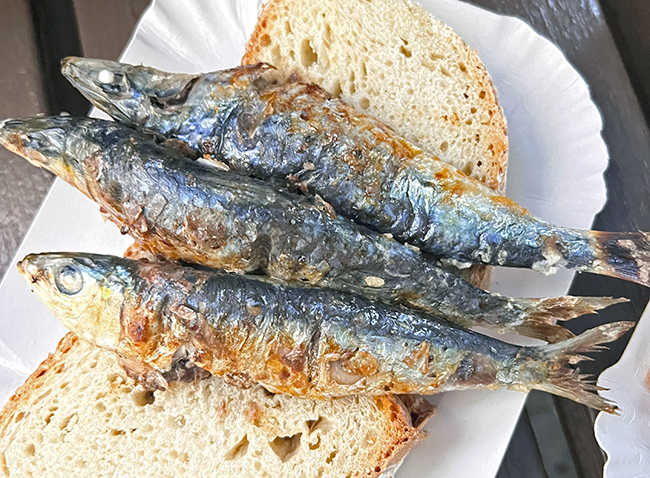
Grilled Sardines – simple, smoky, and a Portuguese classic.
Bacalhau – Portugal’s beloved salted cod, prepared in countless ways.
Polvo à Algarvia – octopus dishes that showcase the region’s fishing heritage.
For memorable meals, travelers should consider:
Sítio do Forno in Carrapateira near Sagres for fresh seafood with ocean views.
Âncoras Beach Bar at Praia do Barril for a relaxed seaside lunch.
Restaurante Casa Velha in Cacela Velha perched on a hilltop overlooking the resort.
Casa do Polvo Tasquinha in Santa Luzia, renowned for octopus specialties.
Restaurant Zurrata, in Largo da Igreja and Santa Luzia, for traditional Algarve flavors.
Algarve Travel Essentials
Best Time to Visit
April–June: Mild temperatures, fewer crowds.
July–August: Peak season with lively towns and bustling beach culture.
September–October: Warm ocean temperatures and quieter beaches.
Currency
Portugal uses the Euro. Credit cards are widely accepted, though small cafés and beach bars may prefer cash.
Electricity
Portugal uses Type C and Type F plugs. Travelers will need a plug adapter.
Getting There
Faro Airport serves as the Algarve’s main gateway with direct connections from many European cities. Renting a car is highly recommended for exploring hidden beaches and smaller villages.
What to Pack
Comfortable walking shoes for cliff trails. Swimsuit and beachwear. A light sweater or windbreaker. Sunhat and sunscreen. Reusable water bottle. Small backpack for seaside hikes.
Don’t Forget the Wind
Even during summer, Atlantic breezes can be surprisingly strong, especially along the coast and cliff-top trails. Temperatures may feel warm, but evenings often cool down quickly.