A Ward Original
01 Oct 2026
Mining history, mountain isolation, and generations of storytelling have given Hotel Columbia a life of its own
Oct/Nov 2026
Written By: Lisa Blake | Images: Hotel Columbia
Dipping off the Peak to Peak Highway, where motorists and cyclists buzz past aspen groves on the paved ribbon between Nederland and Allenspark, the first thing noticed is the deafening quiet. There’s no cell service in Ward, a hamlet resting at 9,450 feet 20 miles northwest of Boulder—and locals prefer it that way.
A general store, a gem shop, and an Italian restaurant share commercial space with an abandoned bus, ambulance, rusted-out bench-seat trucks, wood piles, and farming equipment. Residents say the scraps of the past were intentionally placed during the 1970s counterculture boom to discourage people from wanting to move to and modernize Ward.
On the tiered westerly hill off a pocked gravel road, the Hotel Columbia watches over town. For the first time since 1950, the hotel is ready to invite guests in to sleep, dine, and unplug. Friends and business partners Gurjeet Gill and Masyn Moyer took over Hotel Columbia in October 2024 and, after nearly two years of renovations to the boarded-up 1901 building, Ward’s historic inn opened for business in April, with guest stays launching in August.
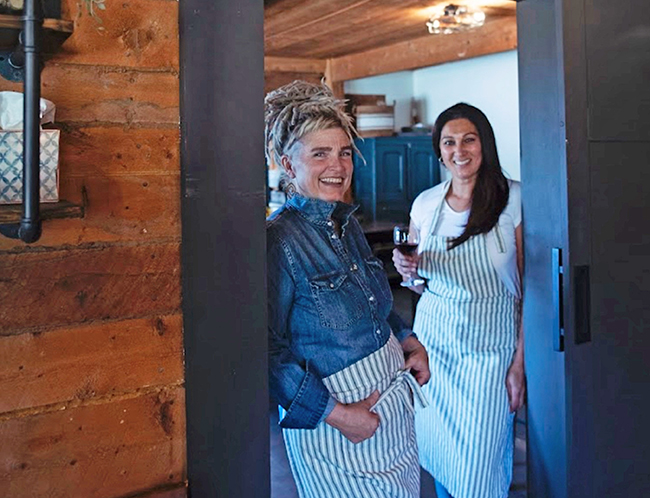
Gurjeet is the former owner of Boulder’s Tandoori Grill, and Masyn was a Boulder salon owner who brings a culinary and herbalist background to Hotel Columbia, as evident in the thriving organic, slow food–focused hotel cafe (open Friday through Sunday, 9 a.m. to 2 p.m.). Fresh-pressed juices, chili crisp fried egg and avocado toast on two-day-fermented sourdough, and seasonal veggie hashes are already menu hits.
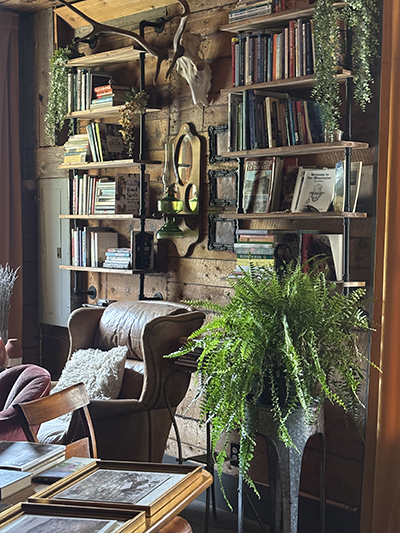
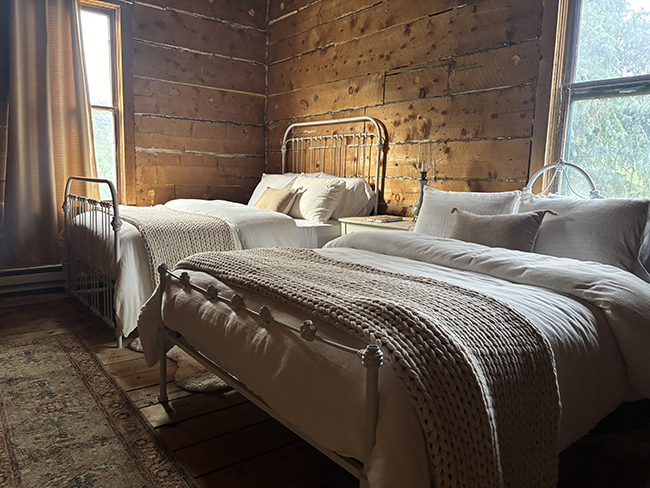
The women filled the six guest rooms with lush cream linens, journals for guests to record experiences, and antique furnishings sourced from Facebook Marketplace. They’ve cleared endless cobwebs, pounded protruding nails back in, and have preserved the hotel’s bones with as much integrity as possible, embracing the gaps in the wall and the creaking wood-planked floors.

Delicately balancing new and old, Gurjeet and Masyn say this project walks an important line of sharing the mining town with the outside world without disturbing Ward’s peace.
“We opened the hotel with deep reverence and respect,” Masyn says. “We attended a year’s worth of town council meetings before even putting in an offer. People are very private here. This is not a tourist town, or a party town. This is a reflective space where you authentically experience the quiet community.”
Slowly, visitors are finding Hotel Columbia on Airbnb, seeking a weekend warrior basecamp, a little mystery, and a storied place to rest. A designated historic landmark, Hotel Columbia was built around the mountainside and seems to live and breathe as if cocooned into the rocks.
Ward’s oral history is part paranormal, part mining-era grit, and part antiestablishment counterculture. A bit of a vanished boomtown, Ward housed thousands in the late 1800s as gold rush prospectors dug into the Columbia vein. Today, 88 people call the community home, with another 20 arriving for summer cabin life.
A catastrophic fire in 1900 leveled more than 50 buildings in one night, and the Hotel Columbia was built the following year to fill the lodging gap. From there, the early 20th century saw mining declines, and Ward settled into its mid-century hushed isolation. The tumultuous 1960s attracted artists, hippies, and back-to-the-land residents who have since held tight to the live-and-let-live lifestyle of an off-grid generation.
The town’s isolation and stubborn independence from mainstream society have given it a reputation, and a nickname: Weird Ward.
“This community is tight-lipped for the reason of keeping it sealed in time,” Masyn says. “It’s not interested in modernizing. People just want to live their lives without being bothered. Everyone knows each other, they’re deeply connected and care for each other. Part of our promise is to protect that.”
A fireplace constructed from rough stone ores collected from Colorado mines commands attention in the Hotel Columbia sitting room. Gurjeet and Masyn have been lining the hotel’s worn walls with historical books from the area and are quick to share tales of the past—and encounters with spirits from the present. Framed black-and-white photos of former hotel owners Albert and Emma Fairhurst rest on the piano next to lounge seating lit by oil lamps and set to the tune of a slow grandfather clock. When the women first bought the property and stayed overnight in the upstairs guest rooms, Gurjeet began having encounters with Emma, who would appear next to her bed in the darkest hours of the night. In the year that followed, elbow-deep in renovations, Gurjeet would sense spirits in the room. She saw auras of a former hotel resident sliding into bed with her, and a little girl running in the hallway—the same prankster child that recent guests have reported moving a necklace on the nightstand and misplacing a bank card. The house dogs have also had literal hair-raising encounters in the upstairs hallway.
“The hauntings have been a tricky thing for us. Some people can’t wait to stay somewhere that’s had hauntings and think they may have those experiences, but everybody’s experience is different. Unfortunately, we can’t conjure them up. It’s not an on-demand thing,” Gurjeet laughs.
Spirit sightings or not, Gurjeet and Masyn are slowly opening Hotel Columbia’s doors, preserving its history, and inviting visitors to experience the beauty of a historic town. They hope the lack of cell service and internet (there is Wi-Fi, if guests really want the password) means more time reading the paper in the cafe or pulling a puzzle off the parlor shelf.
“We are crying on the inside for these third spaces where things harken back to a slower, more caring time,” Masyn says. “Coming to places like this allows us to remember that we’re better as a whole when we can just sit on the front porch and slow down.”