After the Credits Roll
01 Oct 2026
Preparations for the 2027 Sundance Film Festival are reshaping Boulder’s cultural spaces for the long run
Oct/Nov 2026
Written By: Christine Mahoney
By now, nearly everyone in Boulder knows the 2027 Sundance Film Festival is coming. What’s less obvious is what will remain after the final credits roll.
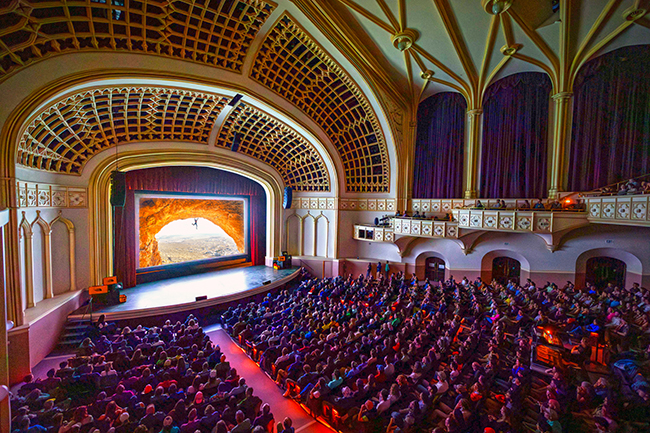
Across the city, preparations are bringing new investment to some of Boulder’s best-known cultural spaces. Historic venues are being winterized. Others are getting new projection, sound, and screening infrastructure. Accessibility improvements are underway, and much of that work will continue benefiting audiences, artists, and arts organizations long after the crowds head home.
“This is a big event coming into a city that already has a tremendous amount of activity,” says Jeff Levine, head of audience development and experience for Sundance.
That existing cultural infrastructure is part of what makes the Boulder move unusual. Major events can leave host cities with expensive, purpose-built venues searching for a second act. Here, the emphasis is largely on improving spaces Boulder already uses—and giving some of them capabilities they’ve never had before.
“What we have done is work closely with existing venues to make upgrades and help with improvements,” Jeff explains. At Chautauqua Auditorium, that means a major project to winterize the historic venue, he says. The work will allow the auditorium to host concerts year-round.
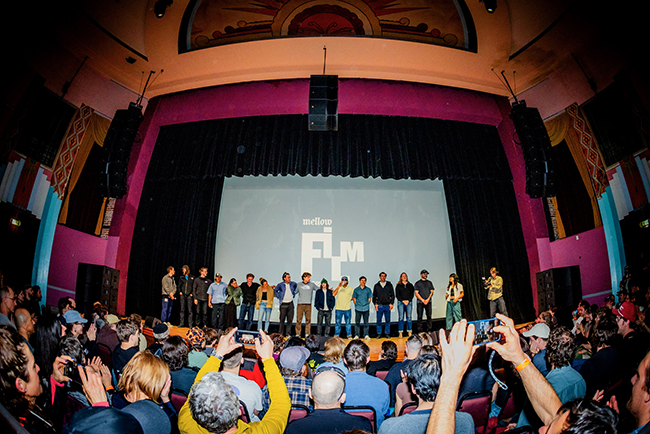
“With only three of the eleven presentation venues regularly presenting film, the move to Boulder has created an opportunity for a technical evolution, with targeted upgrades to projection, sound, screens, and supporting infrastructure so each venue can deliver the mission-based presentation quality our filmmakers and audiences expect,” says Holden Payne, the Festival’s director of technical exhibition. He says the work is being tailored to each venue, leaving several Boulder spaces with technical improvements that will remain long after the final screenings.
“Sundance Film Festival is committed to creating an environment and operating in theatres and venues in which all community members feel welcome,” says Kristen Nolan, Sundance’s director of production and operations. “As a result, venues are making significant physical upgrades for the 2027 Festival, with plans to continue upgrades in 2028 and beyond. These upgrades include, but are not limited to, more accessible seating with more varied locations, restroom upgrades, and stage access for filmmakers,” she adds.
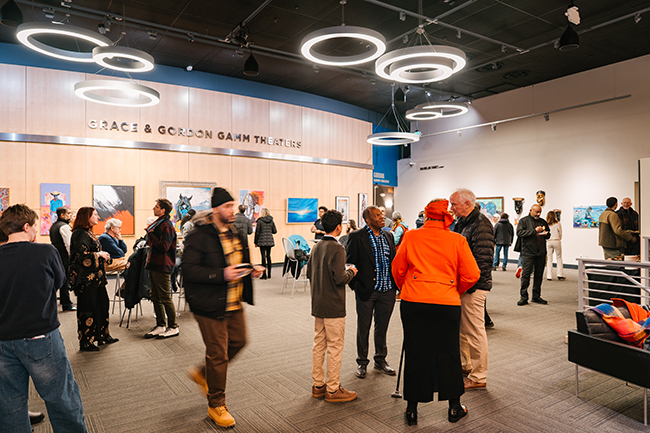
“The really exciting thing about the Festival’s move to Boulder is that the venues themselves are going to be such an incredible experience for all attendees, whether you’re a lifelong attendee of Sundance or a first-timer from Colorado,” says Jeff, who initially expects a large portion of the Festival’s Utah audience to travel to Colorado for the films, excitement, and culture.
The physical changes are only part of what Jeff hopes the move will leave behind. He says the response across Boulder and elsewhere in Colorado points to a broader enthusiasm taking shape around film and the arts.
“What makes the Sundance Film Festival special and unique is the sense of community coming together, and that spirit is really taking root within Colorado,” Jeff says. “It’s for everyone—it’s as much for locals as it is for filmmakers.”
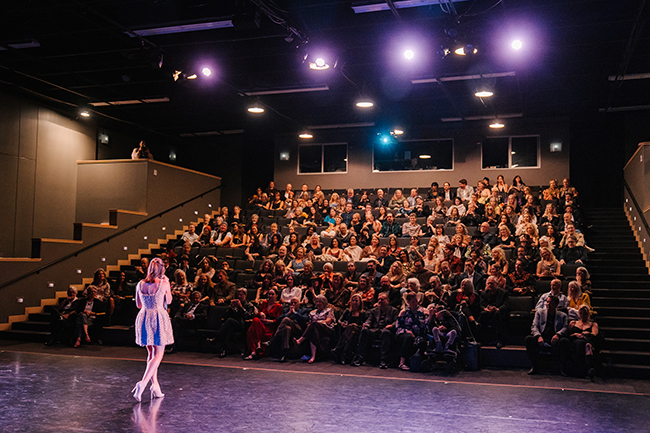
Jeff moved to Boulder in August 2025 and has since immersed himself in the local arts community and joined the board of the Dairy Arts Center.
As he’s traveled across the state, Jeff has seen enthusiasm grow: “I think people are seeing ways to both support the Festival and advance some ideas they haven’t been able to achieve prior to its commitment to Boulder.” One example is a new coalition of film festivals across Colorado, designed to encourage collaboration and help communities build on the attention surrounding the 2027 Festival.
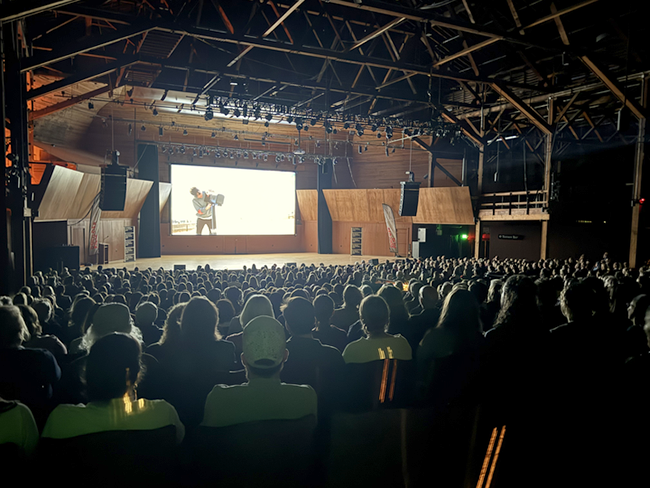
Jeff believes that momentum could also raise Boulder’s profile as an arts destination. “It will increase awareness of Boulder as a cultural destination for people from around the world, elevating its identity as a center for important and essential contemporary culture.” For Jeff, the longer-term measure of success will be what happens within Boulder’s own creative community.
The real legacy, then, may be measured less by what happens during those 11 days than by what Boulder’s creative community does with the opportunities that remain. “I believe it will inspire the local creative scene,” Jeff says. “There are natural connections with artists, students, and those involved that will resonate long after the Festival ends.”