After the Impact
02 Feb 2026
A local doctor addressing the hidden effects of TBI
story Chloe-Anne Swink
Every year, an estimated 2.8 million Americans suffer a traumatic brain injury (TBI), according to the Brain Injury Association of America—roughly one in 124 people in the U.S. And yet, despite how common they are, TBIs remain widely misunderstood and frequently overlooked.
Traumatic brain injuries range from mild to severe, from concussions to catastrophic events such as gunshot wounds or major car accidents. Severe injuries are more likely to receive immediate medical attention. Mild to moderate TBIs, however, often go unrecognized, leaving individuals to live with lingering symptoms that quietly infiltrate daily life.
The effects can be far-reaching. Vertigo, tinnitus, chronic headaches, visual disturbances, executive functioning challenges, and even loss of motor control are all common among people living with untreated brain injuries. In many cases, the most troubling aspect is that individuals don’t realize these symptoms are connected to a brain injury at all—meaning the root cause is never addressed.
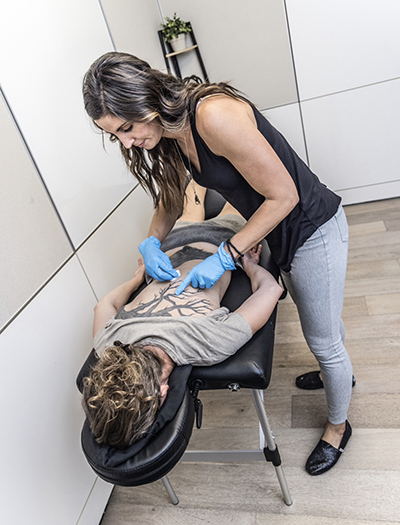
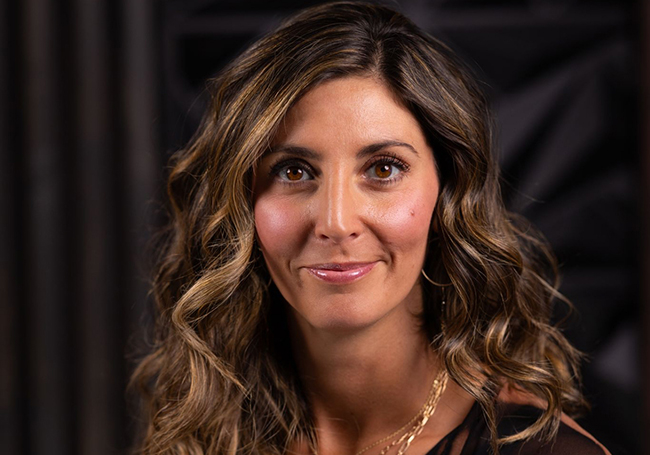
This gap in diagnosis and care is where Dr. Mary Pavlantos, PT, DPT, CBIS, enters the picture. Founder and owner of Roots Physical Therapy & Wellness in Louisville, in addition to being a physical therapist, Dr. Mary—as her raving patients call her—is a certified brain injury specialist through the Brain Injury Association of America. Her work extends far beyond traditional orthopedic rehabilitation, addressing neurological damage related to traumatic brain injuries as well as neurodegenerative conditions such as Parkinson’s disease and multiple sclerosis.
Her path into this specialized field was deeply personal. After her father suffered a traumatic brain injury in a serious car crash, the visible injuries—bruises and broken bones—eventually healed. The invisible damage did not. For years, unresolved symptoms disrupted his ability to work, ultimately costing the family their restaurant and home. His TBI wasn’t diagnosed until nearly three years later, a delay that is far more common than most people realize. That experience became the driving force behind Dr. Mary’s career.
After earning her bachelor’s degree from Whittier College, Dr. Mary completed her doctorate in physical therapy at Thomas Jefferson University in Philadelphia. She went on to pursue specialized residencies in brain injury rehabilitation at facilities including Craig Hospital, a nationally recognized center for brain and spinal cord injuries.
As she transitioned into outpatient care, a troubling pattern emerged. Patients arriving for treatment after car accidents often wore sunglasses indoors, struggled to tolerate light or sound, and had difficulty completing basic paperwork. Their orthopedic injuries were being treated, but the signs of concussions and brain trauma were going largely unaddressed.
With training spanning orthopedic, neurological, and women’s health conditions, Dr. Mary approaches care through a wide and integrative lens. While many people don’t think to seek physical therapy for brain injuries, she explains that neurological conditions often respond to rehabilitation strategies similar to those used for musculoskeletal injuries. Exercise, balance work, strength-building, and flexibility—when applied thoughtfully—can help stimulate both the body and the brain.
Her treatment model is intentionally holistic, addressing physical symptoms alongside mental and emotional well-being. In addition to movement-based therapy, Dr. Mary helps patients regulate their nervous systems through breathwork and meditation, while also developing coping strategies for memory challenges and executive functioning difficulties. The goal is not just symptom management but also restoring a sense of control and confidence.
While it is never too late to treat a traumatic brain injury, early intervention can dramatically change outcomes. “The sooner we can get this treated, the faster these people get their lives back,” Dr. Mary shared on the Legal Beagle Personal Injury Podcast.
Through individualized protocols and purposeful repetition, the brain has a remarkable capacity to heal. As Dr. Mary often reminds her patients, the key is to “use the brain to heal the brain.”
Learn more at rootsptandwellnessco.com.