School Lunch Grows Up
04 Aug 2026
BVSD’s award-winning food program dishes up local flavor and global inspiration
Aug/Sept 2026
Written By: Lexi Marshall
For many parents, “school lunch” still conjures memories of frozen pizza, mystery meat, and overcooked vegetables. But in the Boulder Valley School District (BVSD), the cafeteria looks very different.
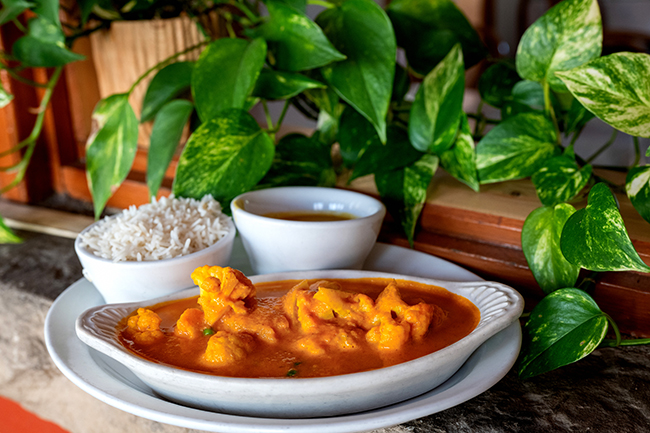
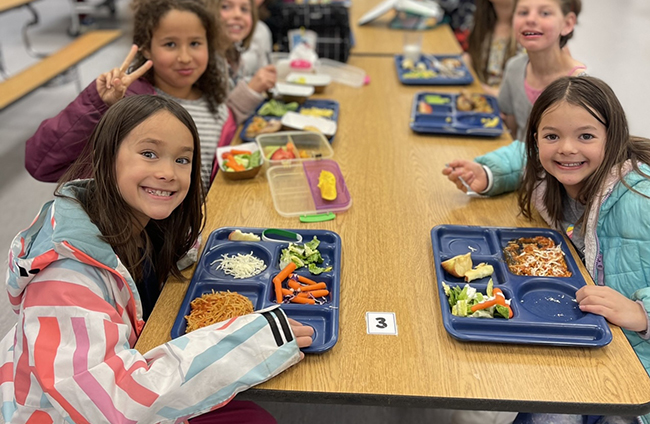
Students are eating scratch-made meals prepared with Colorado-grown ingredients, trying dishes like Filipino adobo chicken, pho, and chicken shawarma, and doing it all at no cost to families. Behind the program is a philosophy that school meals should nourish students while supporting local agriculture and small businesses, reducing waste, and introducing kids to new flavors.
“Our priority is to make sure every student has access to healthy, delicious meals,” says Carolyn Villa, director of food services for BVSD. “We're focused on starting the year strong, supporting our kitchen teams, and continuously improving the student experience in our cafeterias.”
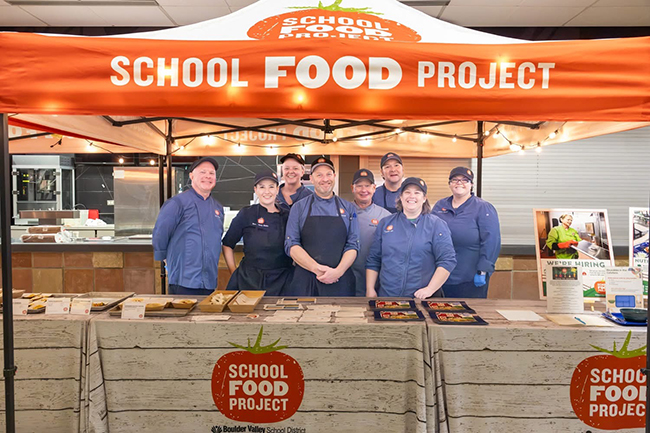
That commitment recently earned national recognition. BVSD's School Food Project received a Snail of Approval from Slow Food Boulder County this year, recognizing organizations that promote food that is “good, clean, and fair.” While Slow Food is a national organization, the Snail of Approval was awarded through its local Boulder chapter, making BVSD the first school district in the country to earn the distinction, reflecting years of investment in scratch cooking, local sourcing, and sustainable operations.
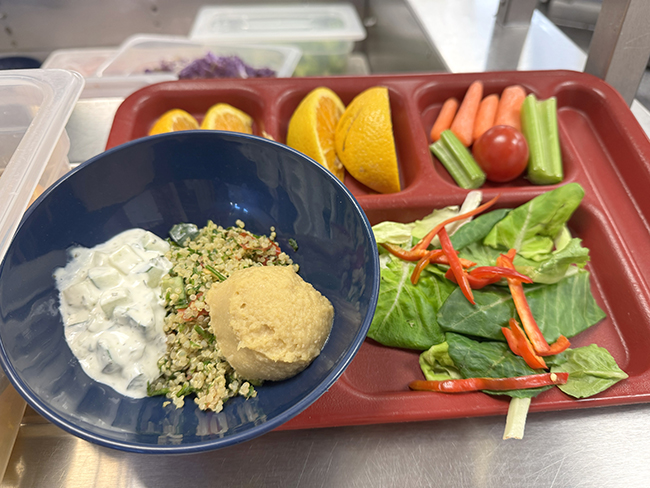
Instead of relying on heavily processed foods, the district builds menus around whole ingredients and Colorado's growing season. Students might find grass-fed Colorado beef, locally grown cherry tomatoes, or fresh Colorado melons on their trays, alongside foods made without artificial colors or high fructose corn syrup. This upcoming school year, the team is also working to engage older students more directly, especially in middle and high school, where cafeteria participation can be harder to win. Plans include promoting new and existing menu items more intentionally, adding options that appeal to older kids, expanding the student ambassador program, and reviewing participation data by age group rather than districtwide to better understand what drives students to choose, or skip, school lunch.
“We want to give kids the best finished product we can at every school,” Carolyn says.
The district serves nearly 17,000 breakfasts and lunches each school day, totaling roughly 3 million meals annually. With that scale comes an opportunity to make an impact beyond the cafeteria.
Scratch cooking reduces excess packaging, reusable trays and utensils reduce disposable waste, and bulk milk dispensers eliminate thousands of cartons each year. Food scraps from school kitchens are composted locally, while extra food is donated to organizations including Boulder Food Rescue and Community Food Share. The district also purchases “ugly” or irregularly sized fruits and vegetables that might otherwise go unsold, helping reduce food waste while supporting local growers.
BVSD's approach to local purchasing also stands out. Rather than relying on one or two large suppliers, the district practices what it calls “micro purchasing,” buying smaller quantities from many Colorado farms. That keeps more dollars circulating in the local economy while giving farmers the flexibility to sell what's in season. Salad bars can change throughout the year based on what's growing, and even the lettuce comes from indoor Colorado farms that use recycled water and avoid pesticides.
Universal free breakfast and lunch have also transformed participation. Since meals became free, the district has served about 50 percent more students each day, allowing schools to expand breakfast programs and offer more inclusive menu options, including daily gluten-free, dairy-free, and vegetarian entrees.
“For students, the impact is simple but incredibly important,” Carolyn says. “They are less likely to be hungry during the school day and more likely to be ready to learn.”
Because meals are prepared from scratch, the district has greater control over ingredients, making it easier to reduce allergens and accommodate a wide range of dietary restrictions. The menus also reflect the diverse cultures represented throughout BVSD schools. There is no single menu that meets every student's needs or preferences, Carolyn emphasizes, but the goal is to offer enough choices that as many students as possible can eat safely and comfortably.
Running a program at this scale isn't without challenges. Labor shortages, equipment needs, and rising food costs all put pressure on the department's ability to keep expanding. On the participation side, the picture shifts constantly too — as families move in and out of the district each year, the team is always working to introduce new students and parents to the program and encourage them to give school meals a try.
This fall, students will see a dozen new entrees. Alongside familiar options like pork pozole rojo, yakisoba noodles with tofu, and vegetarian chili with sweet potato cornbread, the menu also brings a hot honey chicken sandwich topped with housemade honey mustard slaw, slow-cooked beef birria quesadillas served with consommé for dipping, and both the Iron Chef-winning chicken shawarma and its runner-up, a chicken parm sandwich, developed through the district's annual student cooking competition. Popular favorites like pho, chicken ramen, and Nashville chicken sandwiches, once offered only to older students, will also be available in elementary schools.
New sides are rounding out the fall lineup as well, including chili crunch smashed cucumbers, mashed sweet potatoes, Peruvian-style mayocoba beans, salsa macha, and Parmesan-roasted new potatoes, part of an expanded rotation of Harvest of the Month items.
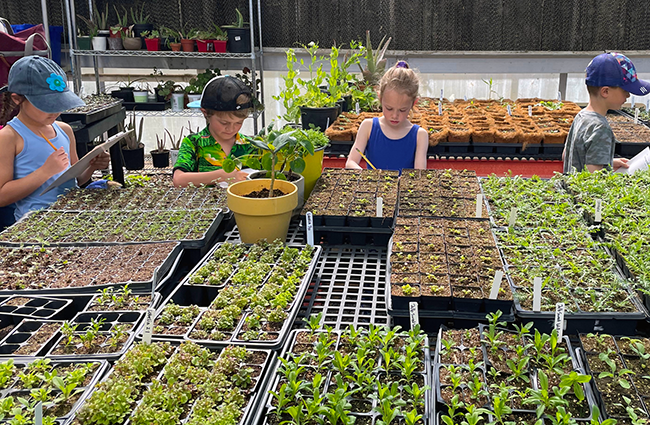
Student feedback helps shape the program. The district relies on informal conversations, student taste tests, an annual family survey, a student ambassador group focused on school food, plus sales and participation data to see what kids are actually choosing and enjoying. That feedback has driven real changes, including the decision to bring ramen to elementary schools. For years, the district avoided serving soup to younger students over concerns about spills, but after students repeatedly shared that they enjoyed veggie ramen at home, the team developed a scratch-made broth with whole-grain noodles and local vegetables. It quickly became a favorite.
“BVSD school food is truly excellent,” Carolyn says. “We're a department full of foodies, and feeding kids is an honor we take seriously.”
Students Help Write
the Menu
Each year, middle school students compete in BVSD’s Junior Iron Chef competition, forming teams of two to four and submitting original recipes they’d like to see served in school cafeterias. Five finalist teams cook live in the district’s teaching kitchen, and the winning dish is added to the menu the following year.
Past student-inspired favorites include:
Chicken Shawarma
Chicken Parmesan Sandwich
Red Lentil Dal
Broccoli Cheese Stuffed Potatoes