The Making of a Food Town
02 Oct 2026
How farmers, chefs, millers, and food makers built BoCo’s distinctive culinary culture
Oct/Nov 2026
Written By: Lexi Marshall
There’s a fascinating type of conversation that often takes place around Boulder County tables. Someone wants to know where the tomatoes came from. Someone else is talking about a new bakery, a favorite farm stand, or the chef doing something interesting with grains. Before long, dinner has turned into a discussion about soil, seasons, farmers, and the people who make a living feeding the rest of us.
That curiosity is part of what has made Boulder County such a distinctive food destination. Its culinary reputation isn’t built simply on a collection of excellent restaurants; it comes from the relationships connecting farms, chefs, artisan producers, millers, brewers, distillers, and the people who care about where their food comes from.
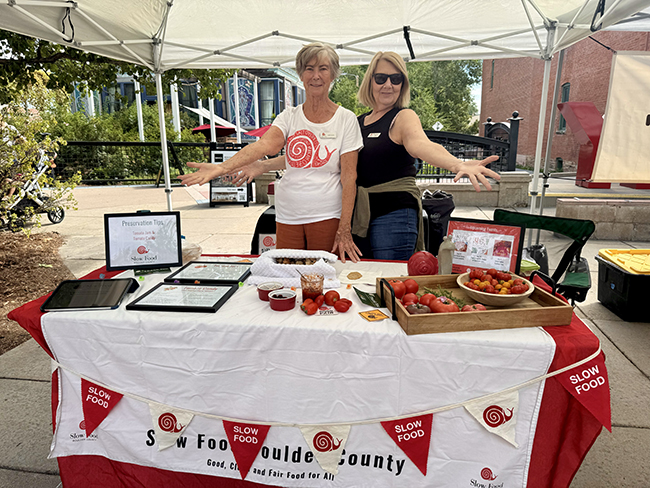
In some ways, the movement has been around for decades. Slow Food Boulder County was one of the first Slow Food chapters in the U.S. “When Peggy Markel and a small circle of friends founded Slow Food Boulder County in 1997, Boulder wasn’t yet known as a food city,” says Jodie Lindsay Popma, the organization’s board chair. “Almost 30 years later, it’s hard for me to imagine it any other way.”
Since then, the chapter has grown alongside BoCo’s food culture, supporting local food education and expanding its work through programs such as the Snail of Approval, the Farmer Education Fund, the School Garden Network, and partnerships with the Colorado Grain Chain. Today, Jodie says, one of its biggest roles is helping people understand where their food comes from and how their everyday choices shape local farms.
“Abundance isn’t the same as access,” she says. “Through workshops, our CSA Fair, and our Cooks’ Alliance, we teach eaters to slow down, ask questions, and choose food that supports the people who grow and raise it.”
That desire to know more—to look beyond the plate—is now woven into the county’s restaurant culture.
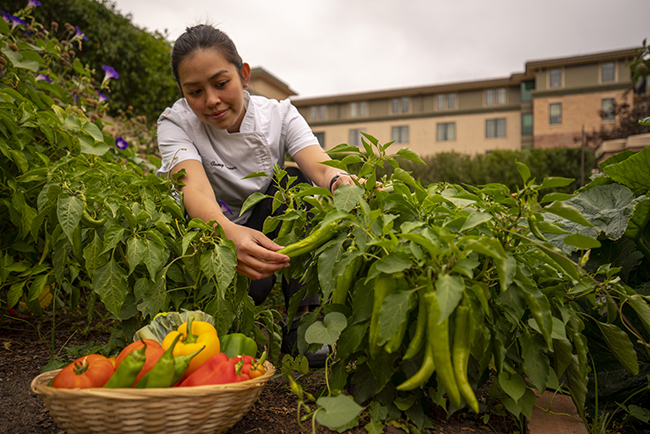
At Jill’s Restaurant & Bistro inside the St Julien Hotel & Spa, executive chef Rich Byers sees it in the way guests think about vegetables, sourcing, and seasonality. His annual Vegan Harvest Dinner was inspired by the abundance of local produce and the opportunity to make those ingredients the meal’s focus.
“Sustainability and local sourcing used to feel more like an added value,” Rich says. “Now, for many diners, they’re part of the expectation.”
Working with local growers has changed the way he develops menus, too. Instead of starting with a finished dish and finding ingredients to make it happen, he often starts with what’s growing. Conversations with growers such as Toohey & Sons Organic and Forevergreen Farm Microgreens help determine what’s coming into season and what looks particularly good.
And in Boulder, the farm-to-table conversation doesn’t stop with vegetables. Consider flour. Dry Storage, the Boulder bakery and mill founded by chef Kelly Whitaker, is built around the idea that grain deserves the same attention we give other ingredients. The bakery mills its own flour from heirloom grains, connecting chefs and bakers with farmers growing varieties selected for flavor, performance, and a stronger regional food chain.
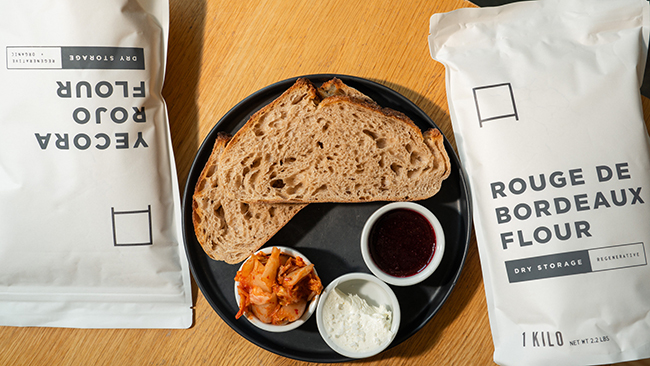
The story began with a search for better flour for Kelly’s restaurants. That led to the Noble Grain Alliance and eventually to relationships with Colorado farmers, including the Jones family in the San Luis Valley. In 2019, Dry Storage and the Joneses began growing heirloom wheat, turning an experiment into a larger effort to build demand for regional grain.
For Holly Clarke, back-of-house manager at Dry Storage, that work has changed the way she thinks about a staple ingredient. “Working with Colorado heirloom grains has taught me to see flour as more than just an ingredient,” she says. “It’s a living reflection of the soil and the farmers who tend to it.”
Buying directly from farmers and creating demand for regional grains helps reconnect parts of the food chain that have become increasingly separated by industrial agriculture. As Holly puts it, when diners know the story behind the grain in their bread, “they gain a deeper appreciation for its flavor, the local food system, and the community of farmers who make it all possible.”
Three Leaf Concepts, the Boulder County restaurant group behind Leaf Vegetarian Restaurant, The Boulder Dushanbe Teahouse, Chautauqua Dining Hall, and others, carries that farm-to-table relationship back to the source with its own Three Leaf Farm in Lafayette. The small organic farm grows vegetables, fruits, herbs, and flowers for the group’s restaurants and catering operation, much of which ends up on seasonal menus. Kitchen scraps make their way back to the farm to be composted, creating a practical connection between what happens in the restaurants and what happens in the field.
Those values have become part of what draws other restaurants to Boulder, too. True Food Kitchen, which opened on 29th Street in August, is a national concept, but its focus on sourcing and wellness feels familiar in Boulder. The location—the company’s 46th and second in Colorado— focuses on wholesome, responsibly sourced ingredients, including organic grass-fed steak, responsibly sourced seafood, and salads featuring regenerative grains. Its presence says something about what local diners have come to expect: good ingredients, thoughtful sourcing, and food that feels connected to health and well-being.
For Rich at Jill’s Restaurant, the uncertainty that comes with local agriculture is part of the fun. Weather and growing conditions mean chefs don’t always get to decide what they will have. An abundance of one crop might lead to roasting it one week, fermenting it the next, and pickling what’s left. “Instead of asking, ‘What do I want to make?’ you start by asking, ‘What do I have, and how can I make it really special?’” Rich says.
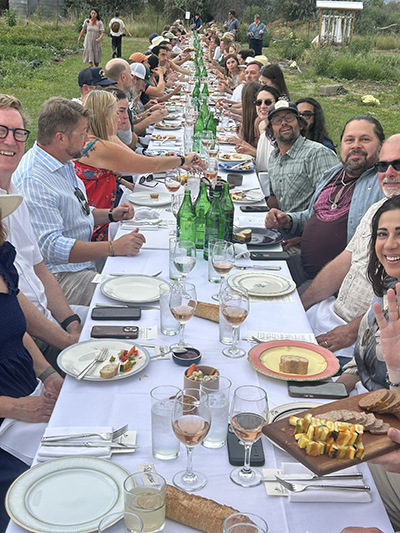
That mindset explains why a chef can build a dinner around a farm’s harvest, why farmers and millers can work together to bring heirloom grains back into the food system, why a restaurant can compost its kitchen scraps back into the soil, and why an organization founded nearly three decades ago still finds people eager to ask where their food comes from. Boulder County’s food story is still being written, but the underlying values remain consistent: a curiosity about what’s on the plate, a connection to the people who produce it, and a belief that good food is inseparable from the land and community behind it.