With Purpose and Passion
01 Apr 2026
Left Hand Outdoor Challenge Program shaping future open space stewards
WORDS Lisa Blake
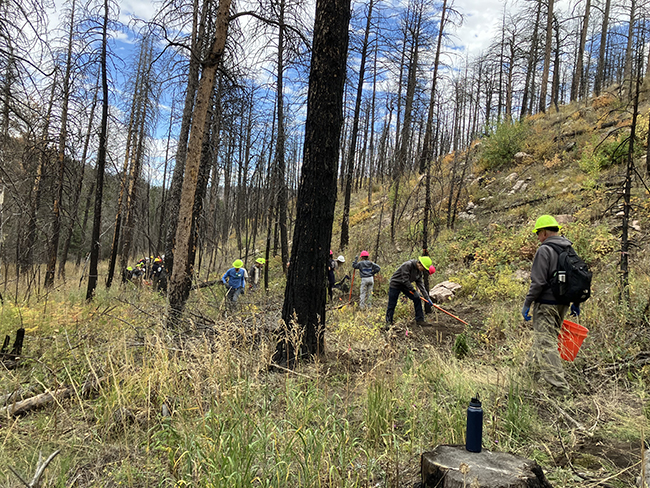
Julietta Rozin is skilled in trail building and maintenance, fire mitigation, barbed-wire and wooden fence building, and working with animals. She has winter survival, search-and-rescue, CPR, first aid, and water-and-ice rescue know-how. At 22 years old, the Colorado School of Mines recent grad is comfortable in leadership, mentorship, and relationship-building roles.
Julietta is a mentor with the Left Hand Outdoor Challenge Program. After four high school years as a teen participant in the free Boulder County program, she became a mentor and says the experience has changed her life.
“After the first challenge, which was a campout, I instantly knew that this was a program I was going to love,” Julietta says. “It has allowed me to keep consistent with the outdoors, especially when my college major was computer science and robotics, where you spend a lot of hours in the lab and not outside.”
Established in 2012 by Boulder County Parks & Open Space resource protection park rangers, the Left Hand Outdoor Challenge (LHOC) is designed to connect Boulder County 14- to 18-year-olds to careers in natural resources while fostering a deeper understanding of land management and stewardship. Bonus: Participants earn community service hours.
Organizers say these teens are critical to the future of natural environment preservation.
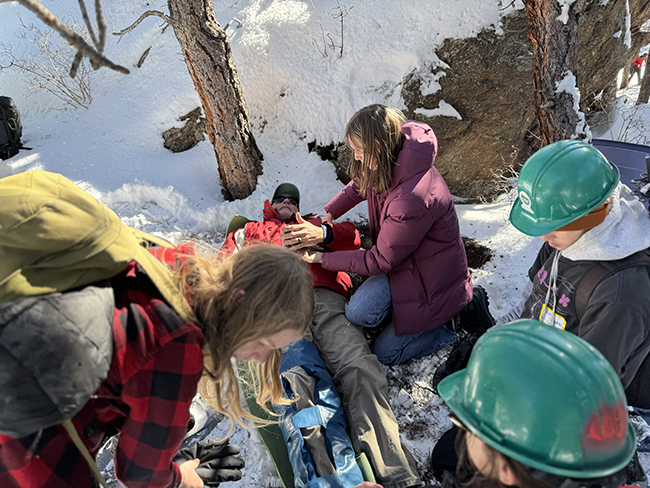
“Public lands depend on future generations who understand ecological systems, responsible recreation, and conservation practices,” says LHOC organizer and Boulder County Parks & Open Space and community engagement park ranger Sully Tun-Ake.
Named for Southern Arapaho leader Chief Niwot (Left Hand), LHOC runs from September through May and typically engages between 20 and 30 teens annually. Monthly two-hour Wednesday base camp meetings and Saturday outdoor challenge days provide progressive learning experiences.
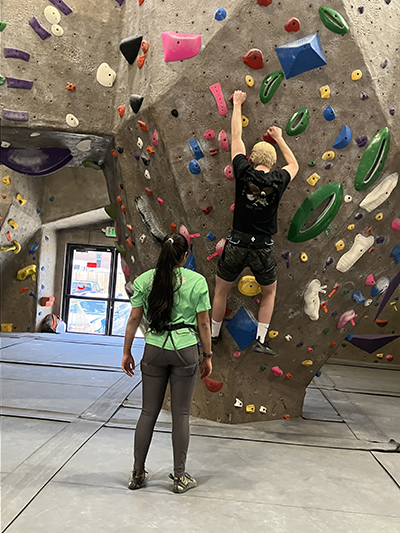
Teens take on innovative outdoor challenges, such as camping, land stewardship service projects, high-ropes courses, trail restoration, winter search-and-rescue and survival training, rock climbing, mountain biking, and leadership development experiences. Adult volunteer mentors from the community and programmatic partners guide teens through career exploration workshops with real-world expertise.
“Besides growing in skills, I feel that I have grown as a person from coming in as a shy, quiet freshman to ending the four years having made friends with everyone in LHOC and really being myself, and continuing with that as a mentor,” Julietta says.
Going through her program highlight reel, Julietta’s most memorable projects include working as a team to build quinzhee huts, performing winter lake ice rescues, and participating in a high school search-and-rescue team drill with Arapahoe Rescue Patrol.
These personal connections to the outdoors are meant to cultivate a sense of belonging, confidence, and long-term commitment to nature.
“I would recommend this program to anyone who is fourteen to eighteen years old,” she says. “The time you do commit, you will not regret one bit. Really, the only thing you need is to be willing to learn so many different and cool things.”
Facing down funding, environmental regulation, and land management policy challenges, there’s legitimate concern about the ability to continue offering this program to teens for free. To be proactive, Sully says, Boulder County Parks & Open Space is reviewing the operating budget for next year’s cohort to ensure the program can be sustainably maintained.
“Like many public programs, LHOC relies on strong partnerships, adequate funding, access to protected open spaces, and leadership support from Boulder County Parks and Open Space to provide meaningful experiences for participants,” Sully says.
For example, a new food policy is currently in place that may affect the program’s ability to provide meals and snacks. Since many teens come directly from school, extracurricular activities, or work and spend full days outdoors, organizers provide dinner during Wednesday evening meetings and snacks during program days.
“Policy shifts, funding changes, and evolving organizational priorities can affect partner capacity, so we focus on developing sustainable, mutually beneficial relationships that support the long-term health of the program and prevent burnout,” Sully says.
Program applications open in June, and the deadline for the 2026–27 program is in August.
For more information, visit bouldercounty.gov/open-space/get-involved/left-hand-outdoor-challenge.
LHOC program goals include:
⇐ Building resilience through challenging outdoor activities
⇐ Strengthening connections between people and the land through environmental education
⇐ Developing leadership, autonomy, and a sense of belonging
⇐ Introducing teens to outdoor and natural resource career pathways
⇐ Encouraging stewardship and community responsibility